About the author

NieWals (2÷す) is a musician and Otomad creator known for their distinct vocal chop style. They have been producing original songs, medleys, and Otomad works for over a decade.
Originally published in Japanese for Otomad Advent Calendar 2021. Authorized translation by Brando and Wadakamari.
Successfully finishing a project is a tedious task. That’s why we are so often tempted to simply check the audio or visuals we have already done over and over.
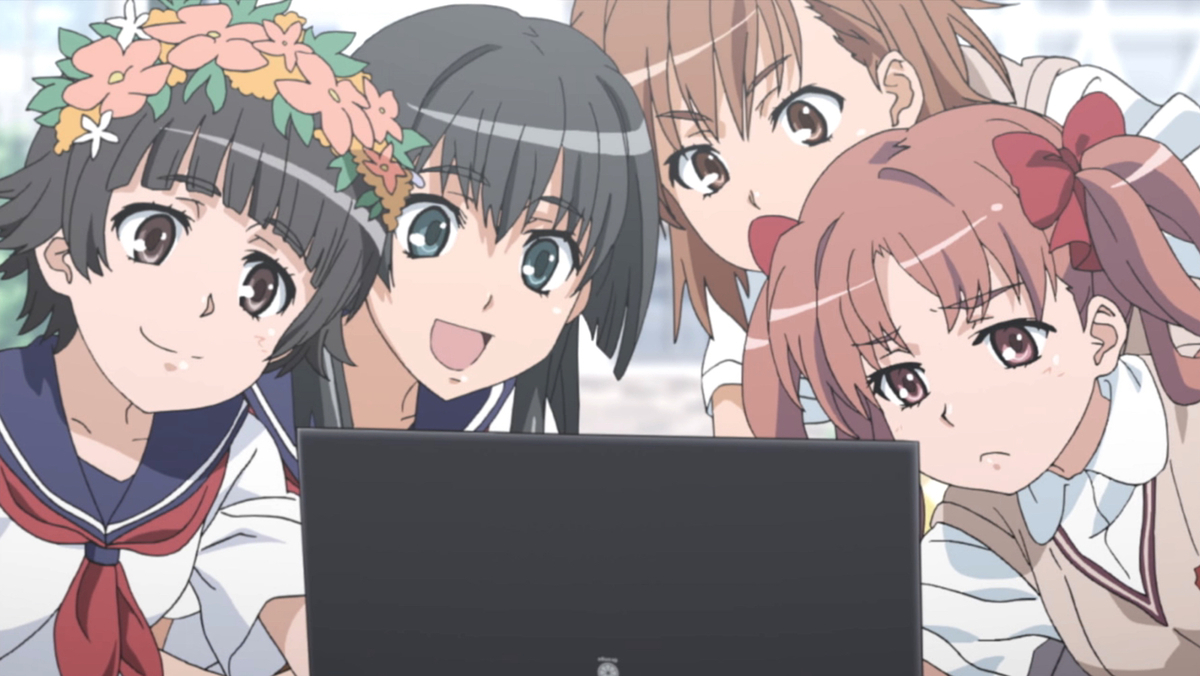
You’ve reached a good stopping point with your project, and you have no more energy to continue for the day. You still have plenty of time however, so it feels like a waste to close the project so soon, and so you loop the sections you already finished. I think that’s a common occurrence.
When a project takes a long time, the amount of time spent repeatedly checking and idly reviewing it naturally increases, leading to a problem where you become too accustomed to your own work.
This is unavoidable. However, if we don’t keep this in check…
・It becomes hard to tell if the project is good or not
・It becomes hard to notice parts that look weird, or lack “something”
・You get bored and never finish the project
→ And eventually you go “ah, whatever”
There are those who are strong and believe in themselves and can avoid this, or still push through and finish the work if it happens to them. That said, there are probably quite a few people who can’t and just end up scrapping the whole thing. Right? Someone tell me that’s right.
But with a slight shift in perspective, or perhaps a more objective view, we can (maybe) prevent this from happening!
This article is about a method I personally recommend to avoid falling into the trap of “becoming too familiar with your own work.” Even if you aren’t in that position, I recommend trying it out anyway as a change of pace for your next project - you might gain some useful insights from it.
Change your perspective and re-examine your own work
Regain your freshness and strengthen your confidence
Take your work to the next level!
Is this necessary? Well, I’ve already started, so I’ll do it.
*This article was intended to be about Otomads, but it ended up being about creative works in general, including Otomads.
*This article is part of the Otomad Advent Calendar project.
1. Exploiting our embarrassment

Why do I only notice editing mistakes after posting something…?
Have you ever experienced the feeling of completing a video, only to feel post-posting (ha ha) regret? You suddenly start noticing all sorts of things you don’t like, or mistakes you missed while working on it.
The stress and embarrassment of knowing “someone is probably watching this right now” or “everyone can see it now” makes us look at things more negatively. When you have already put your video out in public and cannot take it back, you naturally strengthen the nerves that look for flaws. The human body sure is inconvenient.
So instead, let’s use this to our advantage and send it somewhere where everyone can look at it as soon as we can.
That way you can experience the feeling of “having your work out in public” and check it there. All to avoid post-posting regrets.
Search for “theater seats”, embed your video there, and play it
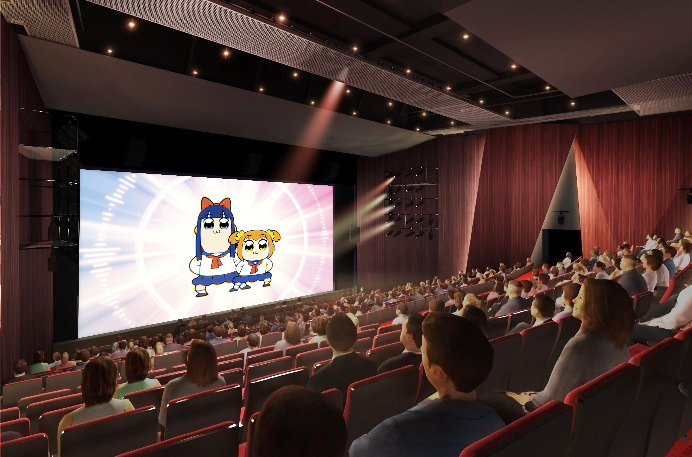
Experience a public execution
Find an image where many people are looking at one spot, put your video in that spot and let it play. Surprisingly, the feeling of impending doom it gives you will really make you notice a bunch of spots you want to fix.
There’s a strange power in the human gaze. Even an image can make you feel uneasy when utilizing it. Crime prevention posters that use close-ups of eyes aim for this effect (although there are various theories about their actual effectiveness).
Post to Twitter

I don’t mean to actually show the footage to everyone, but to simply “post it to Twitter.” Just make an alt and post it there. The goal is to check the video without knowing who might see it and when.
Twitter is a busy social media site with lots of active users, so you can easily feel like someone might end up seeing it at any moment. Checking your work in this state of mind sharpens your senses and helps you find areas for improvement. To be honest, if you have zero followers, it’s unlikely anyone will see it unless you add hashtags, but the important thing is to check it while feeling nervous, as if you’ve just posted it somewhere public.
Of course, you can just share it with your followers normally. It’s even more effective if people in the same community as you see your work (or if you convince yourself they’re watching). Even if it’s a work in progress, teasing it creates a sense of pressure that makes it harder to give up on it. (In that case, any social media platform like Twitter will do.)
2. Playing the role of a critic
Let’s cast aside our own perspective as an author and completely immerse ourselves in the role of someone evaluating our work, reviewing it as if it were our first time seeing it. We must harden our hearts, erase any love for our own work, and approach it as a completely blank slate. Let’s die.
Hold a solo critique session
Imagine yourself as a teacher, and your work as one submitted by a student. While in this state of mind, try giving yourself a deliberately harsh evaluation.
You then write down all the “teacher’s” notes (explained below) somewhere and go over them later. If you find yourself going “You know, that sounds about right”, then mark that as an area for improvement.
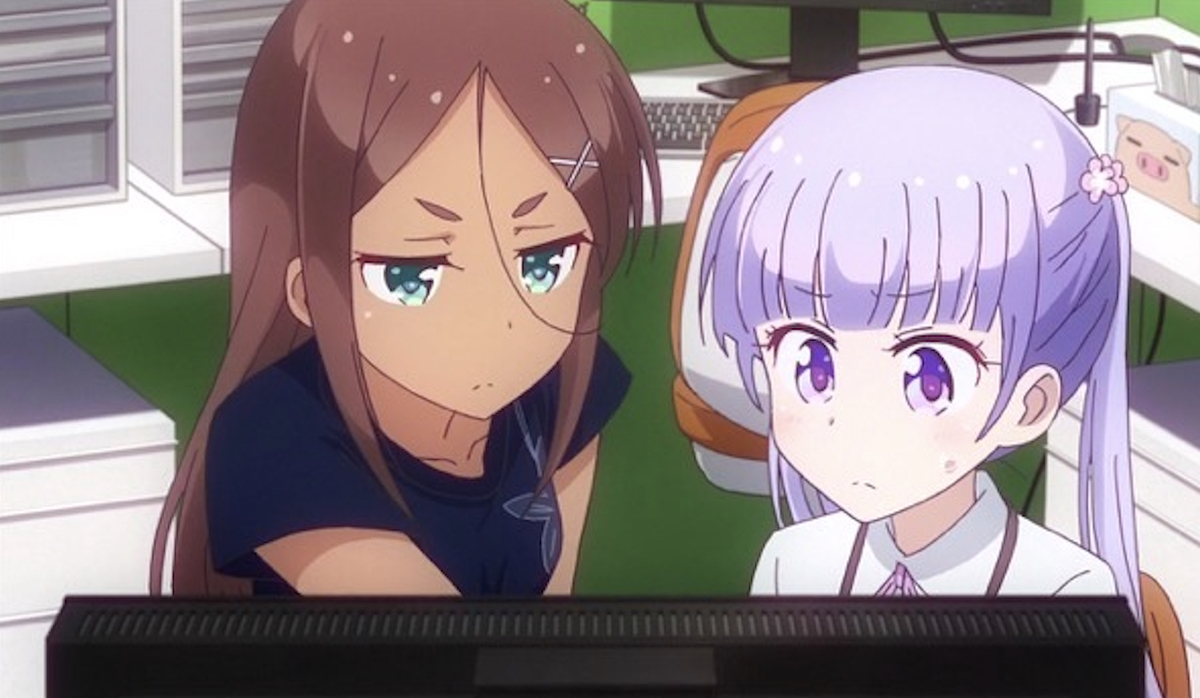
- Start your feedback with something like “That’s good, but maybe add a bit…”
- Ask yourself questions like “Why did you use this sound here?”, “Why did you use this specific color combination?”, “Why this font?”, “Why this source/song?”, “Why does it explode here?” and so on. The more we try to question and adjust elements that might have been added haphazardly, the more likely we are to strengthen their feeling of “being necessary”.
- Add comments like “I would like more surprising elements”. This can be useful when you’re feeling unsatisfied and would like to add another twist to your video, but can also be a rabbit hole in itself.
Play it as if it were an Otomad from someone you’ve never heard of
Unlike movie theaters, most people don’t watch online videos all the way through. Many viewers skip through parts, and it’s perfectly normal for them to stop watching halfway through and go do something else (though people do leave movies halfway through too).
To exaggerate a bit, most of the passion a creator puts into their work never reaches the viewer.
So play the video while pretending to be someone else. Put your cursor (or thumb) over the back button and jump forward when you feel like it, acting like a typical viewer who gets bored easily. You can also put a random image of some unknown character in a window next to the video and pretend that’s the creator’s icon, then watch the video like it was their work.
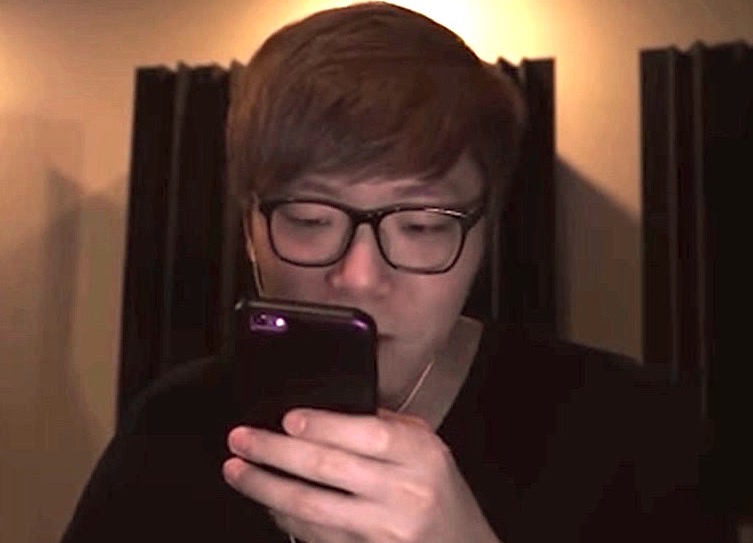
You might start feeling things like “This part is so long, let’s tab out…” It’s less about finding things you’ve missed, and more about checking if your video is engaging or not. If you enjoyed it to the end, it’s probably a good video. It’s gotta be.
“It’s gotta be” is a Hikakin_Mania reference.
Compare with similar works
There are similar works to the one you’re creating. You should be able to find most of them by searching online. Look at those works and analyze why they’re popular or not. Take inspiration from elements you like, and incorporate into your own work any improvements you think could be made.
3. Changing playback environments
Try slightly changing the environment of the video before you play it again. This might be the most effective way to spot differences. I’ll discuss audio and visuals separately.
Audio
Listen with a different pitch
Raising or lowering the key of your audio will make it sound completely different, allowing for a fresh perspective. You might notice that something you’re used to actually sounds unnatural to a new listener. Don’t change it so much that it distorts; ±2 is probably sufficient.
Listen with reversed audio channels
Listen to your audio either using a plugin to reverse the left and right audio channels, or simply flipping your headphones around. Depending on the song, you might also gain a new perspective.
When you arrange the audio tracks panning left and right, even if you think they’re evenly spaced, switching them around and listening again can reveal an imbalance you haven’t noticed, which is important. While you’re at it, check if it sounds good in mono as well.
Export and listen through another app
The audio we hear is very different when we play it in our editing software compared to when we export and play it in another app, so export and check frequently. It’s also important to compare it to other songs playing through the same app. The volume balance between the source material and the song can generally be considered in line with the balance between vocals and instruments in regular music, so use that as a reference.

Damn it! The audio sounds too weak!
Visuals
Flip things around
Mirroring your video horizontally is a good idea. It can help you notice whether things like the composition or elements that the viewer is naturally guided to feel unnatural.
Watch from a distance
The more you focus on the minute details and intricate designs, the more you tend to lose sight of the big picture. Try taking a step back and playing the video (or rather, taking a step back after playing it) to get a general overview of the screen. The parts of the video that have clear movements are usually what a first-time viewer will notice. If the video is too detailed from beginning to end, it becomes difficult to know where to look, making it less memorable. That’s why, even if you want to fill the screen with various elements, you should keep one of them larger than the others.
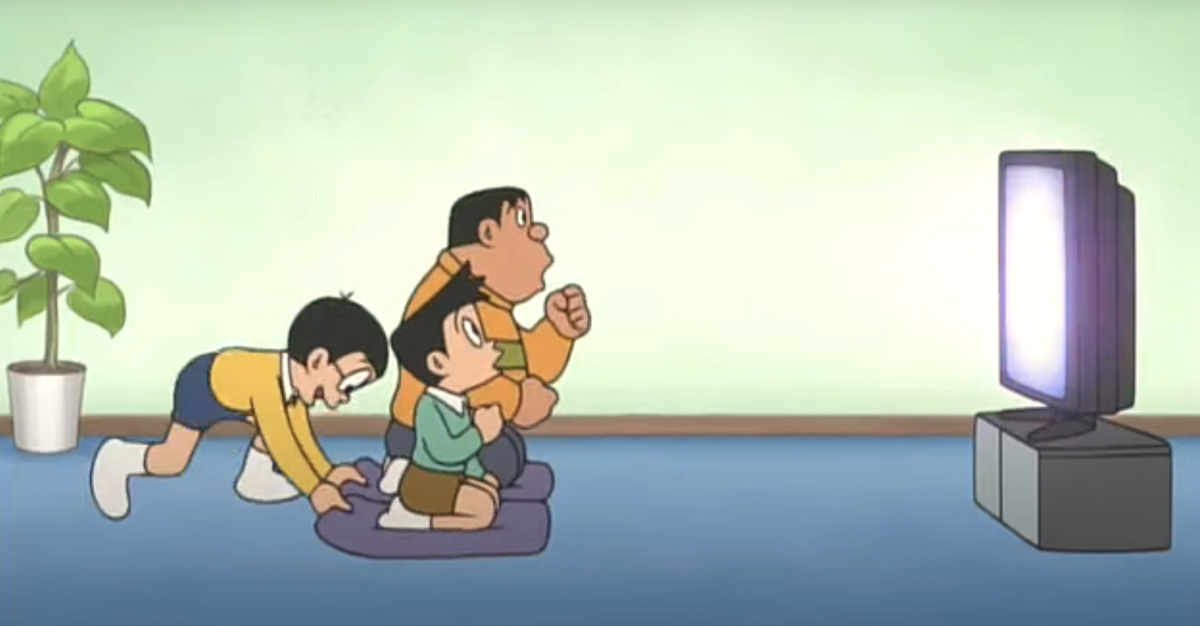
Turn off the lights
Turn off all the lights in the room and play it in full-screen. This creates a movie theater-like environment where only the video is visible. By completely blocking out irrelevant information from our surroundings, such as our desk, keyboard, or energy drinks, we can focus all our attention on the video and make it easier to spot small mistakes.
Record it with your smartphone
Record and review the video directly with your smartphone camera. This can give you the feeling of stepping back and looking at things, trust me. If you review the video you recorded while out and about, or in any situation where you can’t make immediate corrections, you’ll likely notice even more issues.
4. Forgetting about it for a while
Stop working on the video and forget it. Let it be. This is a classic method: forget the highs and lows of working on it until you feel neutral again.
The moment you come back to it after some time has passed is critical. Before your brain catches up, you want to quickly note down any parts where you might think “this looks off”. If you find yourself thinking “hey, this looks pretty good”, then it probably does. You can now resume with renewed confidence. If you think resting is a waste of time, consider the following:
Start working on another project
Start a new project and pour your energy into that one. While your mind is occupied by the new project, rewatch the video you’ve put aside.
Go watch other amazing works
Watch all kinds of works, not limited to Otomads, from all kinds of people you admire. Once you feel you’ve become more discerning, go back to your own video. This will help you evaluate your video compared to others. If you don’t feel there is a huge gap in quality, you can keep working, assuming you’re at least on par. More often than not you’ll end up despairing.
5. Ask others for their opinion
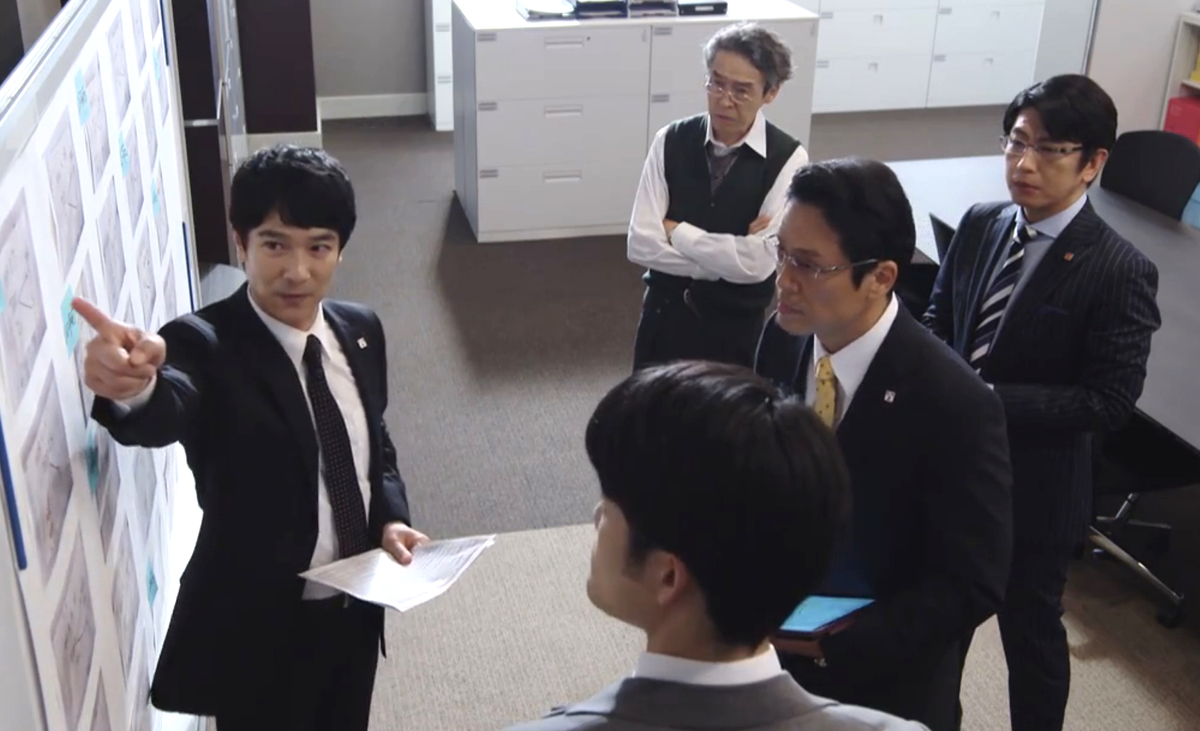
Showing it to others and getting advice and feedback is the best approach, right?
While gaining insights by shifting your perspective can be effective, these insights are based on the values you’ve gained over your lifetime, and as such are inevitably biased to a degree. If you wish to receive the best, bias-free perspective shift, the best way is to ask other people. They might point out something you’ve never noticed before. Simply receiving praise can also be a great way to maintain motivation.
If you’re feeling truly stuck and overwhelmed, I recommend asking other people. That said, simply accepting everything another person tells you can result in something that feels hollow, so it’s important you decide which parts are non-negotiable and balance around that. Sometimes when we ask for advice, the other person might not feel comfortable giving a proper answer, so ask them something like “If you had to choose three things to improve in this video, what would they be?”
In conclusion
Don’t force yourself to always be objective. Overdoing it can lead to you losing your individuality and make the process of creating a video more analytical than fun.
In the end, what matters is what you want to do. A “I think it’s fine so it’s fine! You got a problem with that?!” attitude. If you just want to post something (to join a fad or such), or if you feel it’s okay as long as you do what you want, then it’s all about keeping momentum.
But if you’re struggling with the feeling that your work could be better, or you feel like there’s a right answer you’re missing, or if you’ve lost interest in your own work and are about to give up, changing your perspective halfway through might be effective, so I highly recommend trying it.
Even if you can’t escape the feeling that you can no longer find anything good about your own work and your motivation has reached rock bottom, or that you’re about to give up altogether, you should still post it instead of discarding it. Even just putting it in an “unfinished work” compilation. Just put it out there in some form.
It’s probably better (or at least feels better) to have posted a scrapped work than to only have the feeling of failure. What’s a failure for you might be mind-blowing for the viewer, and they might even ask you to finish it.
What did you think, everyone?
Well, this is it for now.
Thank you very much.
But was this article even objective in the first place…?
Ultimately, the best method to change perspective and gain new insight is almost entirely based on my personal experience and heavily influenced by subjectivity. When I wrote “I personally recommend…” at the start, it was already subjective!
I’m only now realizing how self-contradictory this is and I’m stunned. But I’m publishing this because it’s important to publish things, no matter what. Well, that’s why you sometimes have to change perspectives and snap back to reality, so you don’t end up doing stuff like this.
I’m thinking of resolving this contradiction with some meta-humor punchline. Please bear with me. Oh, that won’t do? Well, please give me some objective opinions…