About the series
Re:cords is an interview series at Re:Sample delving into people’s experiences with Otomad/YTPMV.
This interview was conducted by CH FR.
About the interviewee

Kontcha is a French YTP and Otomad/YTPMV creator, and one of the people responsible for organizing the Morsay Mad Festival collaboration series.
How did you find out about Otomads?
Even though my memories are not perfect, I have likely discovered Otomads by chance in around the year 2009, at a period where I was very fond of YouTube Poops, which I found out about a few months before that.
I remember the two videos which contributed to this discovery, precisely, parody videos of the Angry German Kid (Keyboard Crusher).
On the first one, one could hear the Theme of Flandre Scarlet from Touhou 6.
The second one had, as a title, something like “Crazy German sings Hatsune Miku” on Dailymotion, which was actually a compilation of three Otomad videos from Nico Nico Douga.
All of these elements caught my attention, and I probably went to look for more content of this style to understand what this was all about.
The rest of it is somewhat blurry, but with my research, I ended up finding about: Touhou, Red Zone Otomads, Lucky Star, IOSYS, Caramelldansen, etc. And at the same time: Nico Nico Douga, medleys; and of course, Otomads, which are an integral part of the Japanese landscape.
And I found all of that fascinating. Not only was it new to me, but on top of that, there was an abundance of content. And even though I didn’t understand a word of Japanese back then, there were times where I spent entire days on YouTube or Nico Nico Douga watching KBC Otomads, Donarudo, or shimo medleys remixed in all kinds of ways.
I’ll conclude by saying that the Otomads I was watching were almost exclusively Japanese. Besides, I didn’t know any non-Japanese community during that time. As for YTPMV and American fads like Jack Black, I only found out about them much later.
So you discovered a lot of series and media through Otomads. Was there a moment in particular which made you go from viewer to creator? What kind of technical and cultural baggage did you do your first videos with and in which context?
To tell the truth, I was very admirative of the work of Otomad creators. I really wanted to learn how to do them, the same way I wanted to learn how to make YouTube Poops. But at that time, I had never touched any editing software other than Windows Movie Maker.
Learning to use Sony Vegas, which was already recommended by YTPers at that time, was to me a great first wall to overcome. I started with a few “attempts” of Otomads based on fads, rather disorganized, but my lack of experience and my loss of motivation made me give up on most of my projects.
Despite giving up many times, I kept trying to use Sony Vegas from time to time, emps en temps, for a bit of everything and anything.
All of that lasted for a few years, until finally, at the start of Summer 2013, probably because I was bored, I decided to do a complete YouTube Poop, titled “Le coca c’est délicieux” (Cola is delicious). Then I uploaded it under my current pseudonym. It really was at that moment that I went from viewer to creator, and that I started to get noticed by a part of the French YTP community of back then.
I’m taking the opportunity to clarify that if I mainly talked about YouTube Poops instead of Otomads until now, it’s because my activity as a creator truly started with that; I have as much affection for Japanese anime and memes than I have for Tintin or Zelda CDI cutscenes.
Having hit it off with other community members, I continued making them, all while trying to keep improving.
Then influenced by DrunkyDarwin and KingHarkinian (nowadays, Harkiadel)’s videos (among others), and pushed by Xenon’s tutorial, which explained how to use autotune and make audios using FLStudio, I launched myself in a YTPMV project, which led to a video titled “More More Lovers”, which came out in December 2014.
Though the result might retrospectively look clumsy, it remains an important video to me, in the sense that making it helped me improve a lot; I was now able to make an audio, but also, to make an entire video in After Effects.
On top of that, just like when I released my first YTP, this video allowed me to make myself known to the broader YTPMV community (and not only the French side), and to meet new people.
Truand2LaGalère: Lit. The Hassle’s Hoodlums.
In French slang, “2” reads as “deux”, which is an homonym of “de” meaning “of”.
Truand2LaCollab leans on the same wordplay to mean: The Collab’s Hoodlums.
Finally, inspired by Mowtendoo’s “Nichismoke” and other videos parodying Nichijou’s opening, I released my own parody, one month after my previous video.
I called it “Mehadjou”, starring Morsay and various other characters linked with Truand2LaGalère. I could consider it my first true Otomad video.
I see, so where Otomads broadened your Japanese culture, it’s with YTP that you kept up with most French memes.
Let’s talk a bit more about Morsay. While planning this interview with the rest of the Re:Sample team, I was surprised to hear that they had never had any real idea of who he even was. As a French person, I have a tendency to take for granted this source and its popularity, yet, he is a character which remains somewhat opaque to the rest of the international community, often seen as a French YTPMV inside joke. I think it would thus be welcome to briefly introduce this character to our global audience, his status as a YTP source, and the moment he became a YTPMV source. Were there even any YTPMVs using him at the time?
Indeed, Morsay is an unavoidable character in French Internet culture.
And no, it is not at all an inside joke. For comparison, where English speakers were playing with Jack Black, Michael Rosen or Bob Ross, we were playing with Morsay at that time.
But I can understand the confusion someone can feel in the international space. Morsay never really exported himself outside of the French speaking world, and we can imagine many reasons to this: the language barrier, a very specific context, but also the fact that Morsay remains historically associated to French YouTube Poops, and less to YTPMVs or Otomads. Besides, many French people see the Morsay Mad Festival (MMF) collaborations as “large-scale YouTube Poops”.
There’s a lot to be said about Morsay, but I’ll try to keep it to the essentials:
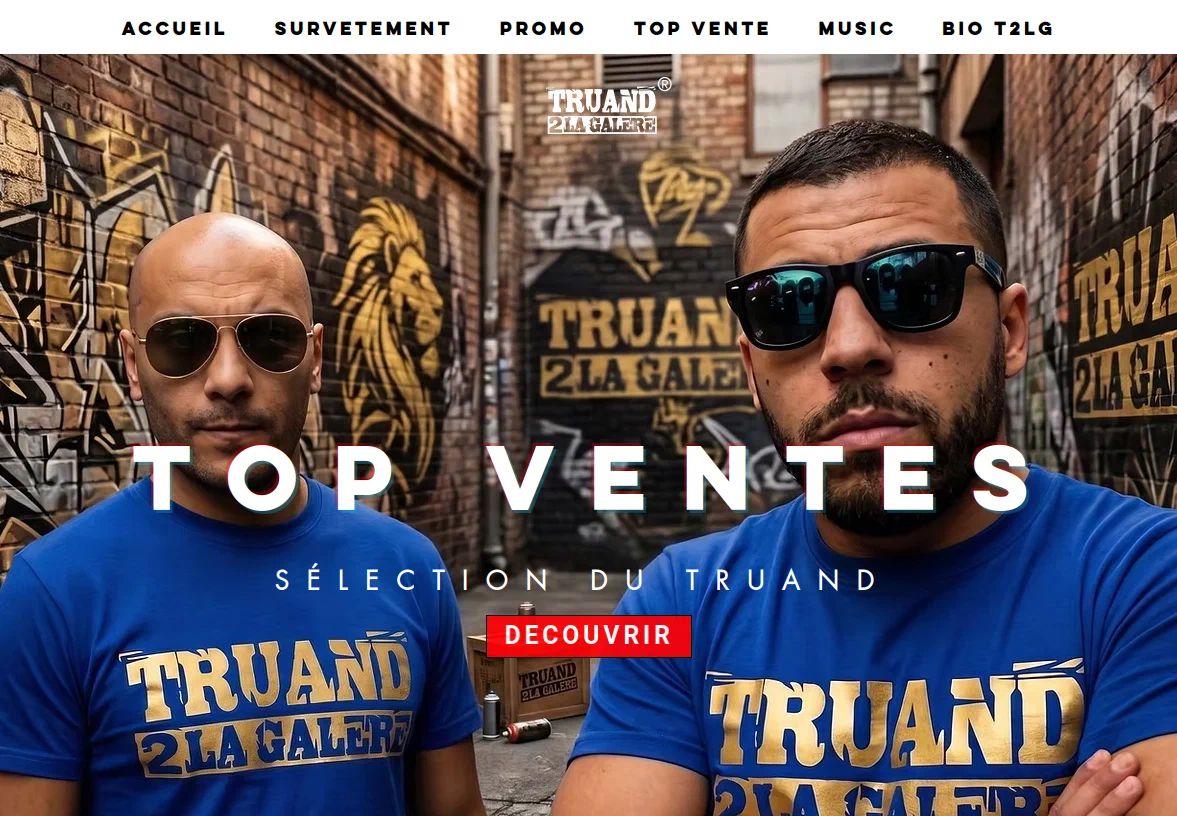
Morsay is originally a French-Algerian rapper who auto-produced his albums, and managed a small shop at the “marché aux puces” (flea market) at Clignancourt, Paris. That’s where he sold his CDs and clothes adorning the name of his collective, “Truand 2 la Galère”.
He made himself known in 2008, after appearing in a video commonly called “Message à Internet” (Message To Internet), in which he responded to his detractors and the trolls who insulted him and mocked his songs. To summarize that video, for ten whole minutes, an unhinged Morsay copiously insults his detractors, threatening them, and detailing what he would do if he caught them.
A performance which, as expected, didn’t play in his favor. The video absolutely blew up, many times parodied and reuploaded, and Morsay became the “Internet’s public enemy” overnight.
In parallel, the video was the start of a kind of online war between the Internet and Morsay + his followers, who traded insults via back-to-back videos.
As the years went by, Morsay continued making videos, and music, but he progressively became wiser. He stopped being in a constant state of confrontation, and instead talked about anything and everything, he would occasionally act, and even invent stories.
This progressive change contributed to making him more approachable in people’s eyes, to the point where even the old Morsay became a nostalgic memory, especially “Message à Internet” and its quotes, which attained cult status. Because in the end, Morsay isn’t really a bad guy.
An important point to note: French YouTube Poop flourished in 2008, exactly at the same time as “Message à internet”.
And since this format was ideal for parody of all kinds, Morsay became a very common source.As for YTPMV and Otomads, there were some, but they were much less common, and largely came later in time.
So the use of Morsay as an Otomad source lends itself to this more recent context of a more “liked” Morsay?
I will say that I indeed notice how, despite being using “Message à internet” as a source, the large majority of Otomads do not seem to ridicule Morsay, and instead approach his character in a more well-meaning way, mostly treating him as a protagonist.
The lack of popularity of this source in Otomads leads me to ask myself, what was the spark that ignited Truand2laCollab (T2C)? The first collaboration, released in 2015, shows a fairly small roster in its participants list.
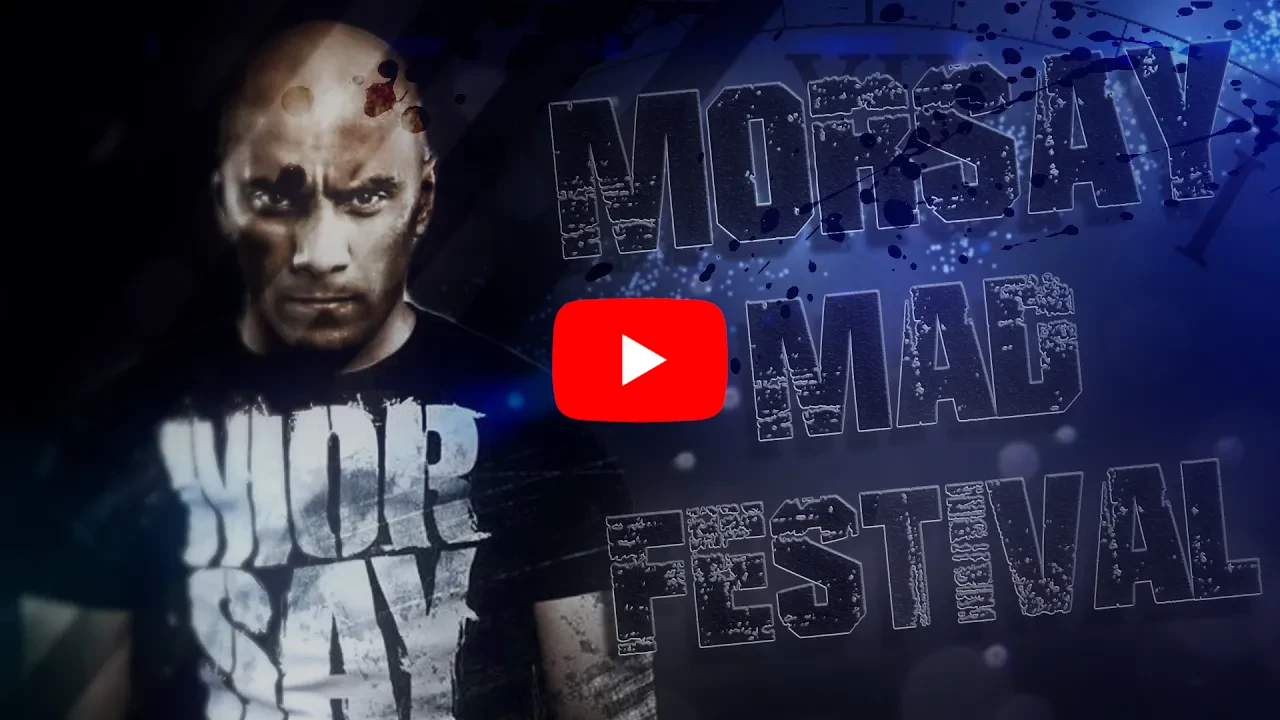
Even though those creators ended up becoming fairly well known, the first collaboration didn’t particularly feel like an “all-stars French collab”. I suppose the context behind it was more informal? I am thinking in particular of the medley which is just draft.
It all started in a Skype group where many participants of the first edition were already present.
We’d all seen the popular collaborations at the time, be it “8 Awesome Angles of YouTube” or Japanese collaborations like “Honkakuteki Danjiri Matsuri 2014” and “Favorites of McDonald”. We were admirative of their quality, their energy, and the very concept of this kind of video which is fascinating in and of itself.
And since it inspired us a lot, the idea of making something similar, but with our own spin on it, started taking roots in our minds.
It’s a bit foggy, but I recall approaching the subject with Guiz (who led the first edition of MMF), and he was very interested in a project of this kind. I can’t pretend having had the idea first (if memory serves, Guiz told me he had already thought of it before), but little by little, we started to put serious effort into it, and we ended up talking about it, and to invite people which led to the creation of the YouTube channel.
The idea of sourcing Morsay was fairly quickly decided. I think it was even the first name that came to mind, and it’s not particularly surprising: to begin with, it was a reference we all knew about. Then, since he marked the French Internet culture in a durable way; by his videos, his surroundings, or even his eventful journy on the Internet, it all came around as its own little lore, a trove of content vast enough and easily accessible. And finally, a few of us already used him frequently in YTP/YTPMVs. All of those reasons made him a potential candidate, if not the obvious one.
So it was in reference to Morsay and Truand 2 la Galère, that we simply named the channel “Truand 2 la Collab”.
The organization of this first collaboration was indeed quite informal. We remained inexperienced, innumerous, and fairly isolated, but we were very motivated, and wanted to make something great. So for this trial run, we did things our way.
Everyone could volunteer for every task. For example, the medley, which was songs put next to each other by Guiz (except for the Cave Story part, arranged by BedoPear). TheFrenchCake took care of the compiling.
As for me, I was on logo duty, and also took care of assembling a source pack (source hunting, sampling, masking, etc).Apart from that, all participants picked the song they wanted to work on. Every participants had to make their own audio and visuals, without exception.
Despite the absence of a fully original medley, this draft had many important evolutions before reaching its final shape. I suppose it was simpler for us to put it together that way, as we lacked contact with a dedicated composer to arrange it.
That said, we didn’t try to make it an “all-stars” collaboration, since at that point, the French YTPMV/Otomad community was even more small than it is today.
King Harkinian (Harkiadel), Enflure de Renard or TheFrenchCake already had a certain notoriety, but the two first ones were also known as YTPers. And their participation in the project is explained more by the fact that we just knew eachother.If we wanted “stars”, we would have needed to look more on the YTP side. We may have tried to invite a few people, but I don’t remember the exact details.
I’ll end by saying that many of us gained experience as we were working on our parts. I notably remember Englure de Renard learning to make motion design, and myself, who fumbled around with REAPER. We all learnt a lot.
I suppose you didn’t exactly anticipate the success of this collaboration? I mainly talk for myself when I say that this is probably the reference when it comes to French Collaborations, and that after seeing Harkiadel promote it in a YTP, the first MMF was the very first Otomad collaboration I saw.
Could you run me through what hapened after the collaboration was uploaded, and what eventually led to the making of the next ones?
We didn’t know if the video would find an audience or not, but we still tried to promote Truand 2 la Collab before its release. Some of us thus uploaded small teasers on their own channels. I effectively remember Harkiadel had announced it in one of his videos. Just like I remember Enflure de Renard had more or less teased the 2016 edition in one of his YTPs.
When MMF2015 came out, the feedback was very positive, et exhilarating. Even better, it allowed to put the French community in the spotlight, and gave it a certain sort of legitimacy; we then saw more French people get invited in other Otomad collaborations.
In the same occasion, I think it contributed to the development of non-Japanese international collaborations.Paradoxically, I still can’t really grasp the visibility and influence that it could have had: it was the first French Otomad collaboration, and was by its nature hard to export overseas. And since it was already very inspired, up to its individual parts, by foreign collaborations, it’s always surprising to me to learn that it was among the first references of someone like you.
There was a lot of enthusiasm after the publication of the first collaboration, and it took very little time before we started work on MMF2016.
Since our trial run was a success, we could this time see things on a bigger scale: longer, better-structured, more participants, and our very own medley!
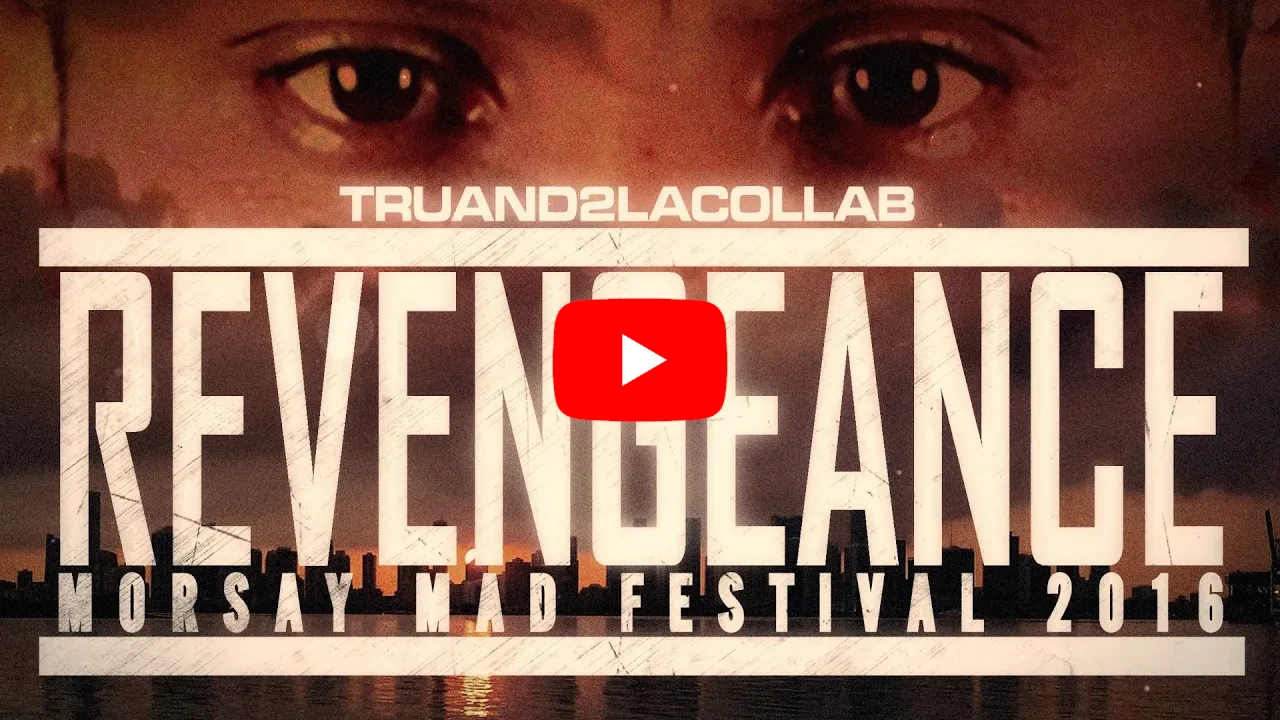
We kept going like this until Morsay 2017, where we invited non-French participants who showed some ease with this source. This edition was meant to be a sort of conclusion where Morsay becomes the symbolic presidentnt of the republic (in reference to videos in which he announces his dandidacy to the presidential elections).
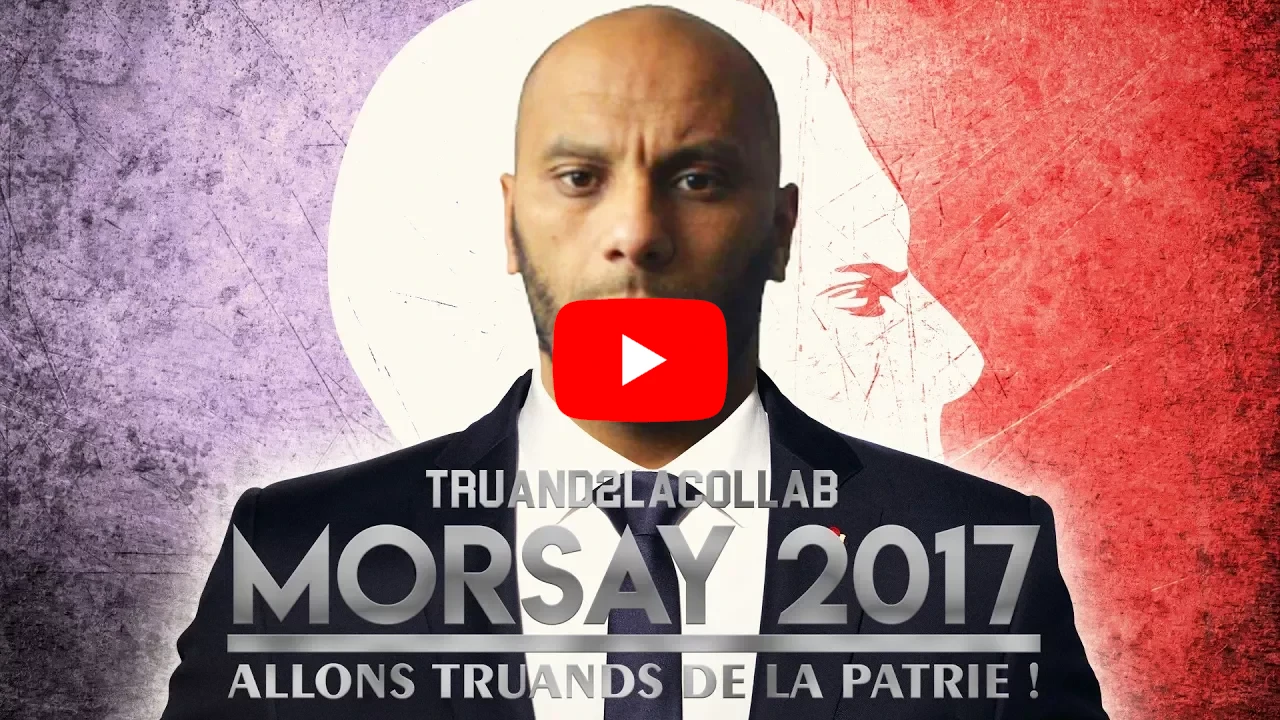
After Morsay 2017, I wanted to evolve toward a format where we could broaden the spectrum of French sources, and which wouldn’t be exclusively focused on Morsay and Truand 2 la Galère. Unfortunately, the project dragged on for many years, and I ended up canceling it in 2020.
Truand 2 la Collab could have ended on this failure, and as for me, I didn’t have the time or motivation to organized a new edition anymore.
But the implication of Miss LMI and some circumstancess made it so that a fourth MMF finally saw the light of day. Even though there were complications, I am glad it allowed us to get together one last time. To be honest, I am very attached to this group of people.
Thank you very much for this history of T2C, it was a series of collaboration which I think had a great deal of influence for many people. I have to admit that listening to those 5 little notes marking the start of “Love B.B.B” in the last edition truly felt special.
Now to our next question:
Has there been any recent event which stuck on your mind in or around the YTPMV/Otomad commubnity?
To be honest, lately, I’ve been focused on other projects parallel to Otomad/YTPMV, as a result, I am less in the know when it comes to the latest events or fads.
If I have to speak of something recent, that wouldn’t be a video, but moreso community-led sites like otoDB or otomad.site, which I recently found out about.
I really like this kind of initiative, especially otoDB and it’s approach to cataloguing Otomad/YTPMV videos, fads, sources, etc. It really shows that the community is still active, very implicated, and I find that very positive.
Speaking of external projects, and on a more personal note, have you recently felt, in your other projects, an influence from your experience in YTPMV as well as in collaboration management?
It’s hard to say, but it’s undeniable that discovering Otomads considerably influenced my activites from then on. Otomads have been, to me, a gateway to online Japanese culture, which became a focal point of my Internet life. I could even say that it contributed to make me want to learn Japanese, as a way to at least understand what I was watching just a little.
Otomads/YTPMVs made me discover games, anime (though I did watch some previously), songs, editing techniques, and even a bit of vocabulary. And as I went on to participate in Japanese media translation, those videos, in one way or another, probably contributed to steering me toward that path.
However, I don’t think I got much from collaboration management. I think I did my best as an host, but it’s a position which doesn’t really fit me, where I don’t feel particularly at ease. I’d rather keep big responsibilities to others (haha).
I’ll meet you on those two points, it really is a creative field which pushes you toward cultural discovery and self improvement in many technical and human skills.
To finish this interview: are there things you would like to see in the future regarding YTPMV/Otomads?
I like YTPMV/Otomads, but I also like cinema. I’d like to see more videos with a more cinematographic (black & white, 35mm, playing with image formats). I would say the same thing for BGM choice, to not stay too overfocused on video game music (even though those are also very good).
As for collaborations, I get the feeling that in the past years, they have been heavily professionalized. We see many people working on the same part, there’s 3D, entire 2D animation sequences, very elaborate motion design, storyboarding… In short, collaborations where most parts quite literally blow you away.
It’s not a bad thing in itself. It’s important that people evolve, and that standards get pushed. It’s proof that the community is holding itself well after all those years.
It’s only my opinion, but I’d like that in the future, this evolution does not come at the price of the “amateurish” and “fun” spirit of those videos. I might be a bit biased, but what I liked in those collabs, when I discovered them, was this amateur/semi-professional mix, which, despite the contrast between some parts, managed to keep rhythm and cohesion.
It’s a mix which I think adds a lot of charm and is very characteristic of the “Internet spirit”, and I wish that it will last in time.
To finish, I don’t know what will remain of Truand2laCollab and the French community in the future. But I am very satisfied by this adventure and what we managed to build together. If our work managed to inspire people, I think we can be proud of that.
Comment as-tu découvert les Otomads?
Même si mon souvenir n’est pas tout à fait exact, j’ai très probablement découvert les Otomads de façon fortuite durant l’année 2009, à une période où j’étais très friand de YouTube Poops, que j’avais dû découvrir quelques mois avant.
Je me souviens de deux vidéos qui ont contribué à me les faire découvrir, précisément des vidéos parodiques d’Angry German Kid (alias Keyboard Crusher).
Sur la première, on pouvait entendre le thème de Flandre Scarlet de Touhou 6.
La seconde avait pour nom quelque chose comme “L’allemand fou chante Hatsune Miku” sur Dailymotion, qui était en fait une compilation de trois vidéos Otomad provenant de Nico Nico Douga.
Tous ces éléments m’avaient beaucoup intrigué, et j’ai probablement dû rechercher davantage de contenu de ce genre pour essayer de comprendre de quoi il s’agissait.
La suite des événements est un peu floue, mais par mes recherches, je découvrais pêle-mêle : Touhou, les Otomads Red Zone, Lucky Star, IOSYS, Caramelldansen, etc. Et dans le même temps : Nico Nico Douga ; les medleys ; et bien sûr, les Otomads, qui faisaient partie intégrante du paysage de l’internet japonais.
Et tout ça me fascinait ! Non seulement c’était nouveau pour moi, mais en plus il y avait du contenu à profusion. Et bien que je ne comprenais pas un mot de japonais à l’époque, il m’arrivait de passer des journées ou soirées entières sur YouTube ou Nico Nico Douga à regarder des Otomads KBC, Donarudo, ou les medleys de shimo remixés à toutes les sauces.
Je conclurai sur le fait que les Otomads que je regardais étaient presque exclusivement japonaises. D’ailleurs, je ne connaissais pas de communauté non japonaise à cette époque. Quant aux YTPMV et les tendances américaines comme Jack Black, je ne les ai découvertes que bien plus tard.
Donc tu as découvert beaucoup d’autres séries et médias au travers des Otomads. Il y a eu un moment en particulier qui t’a fait passer de public à créateur ? Avec quel genre de bagage technique et culturel as-tu commencé à faire tes premières vidéos et dans quel contexte ?
À vrai dire, j’étais très admiratif du travail des créateurs d’Otomads. J’avais très envie d’apprendre à en faire, tout comme je voulais savoir faire des YouTube Poops.
Mais à cette époque, je n’avais touché à aucun autre logiciel de montage que Windows Movie Maker.Apprendre à utiliser Sony Vegas, qui était déjà recommandé par les poopeurs, a d’abord été un mur difficile à franchir pour moi. J’ai commencé par faire quelques “tentatives” d’Otomads basées sur des tendances, assez brouillonnes, mais mon manque d’expérience et ma perte de motivation me faisait abandonner la plupart de mes projets.
Malgré ces abandons successifs, je continuais quand même à utiliser Sony Vegas, de temps en temps, pour un peu tout et n’importe quoi.
Tout ça a duré quelques années, lorsque finalement, au début de l’été 2013, peut-être parce que je m’ennuyais, je me suis décidé à faire une YouTube Poop complète, intitulée “Le coca c’est délicieux”. Puis j’ai mis la vidéo en ligne sous mon pseudonyme actuel. C’est réellement à ce moment que je suis passé de public à créateur, et que je me suis fait remarquer par une partie de la communauté YTP française active à cette époque.
J’en profite pour préciser que si j’ai principalement parlé jusque là de YouTube Poops au lieu d’Otomads, c’est bien parce que mon activité de créateur a d’abord commencé avec les YouTube Poops ; j’ai autant d’affection pour les animes et memes japonais que pour Tintin ou les cinématiques des Zelda CDI.
Ayant sympathisé avec d’autres personnes de la communauté, j’ai continué à en faire, tout en cherchant à m’améliorer.
Puis, influencé par les vidéos de DrunkyDarwin et KingHarkinian (aujourd’hui Harkiadel) parmi d’autres, et poussé par les tutoriaux de Xenon (alias Stepland), qui expliquaient comment utiliser l’autotune et faire des audios sur FLStudio, je me suis lancé dans un projet de YTPMV, qui donnera une vidéo intitulée “More More Lovers”, sortie en décembre 2014.
Si le résultat doit être assez maladroit rétrospectivement, ça reste une vidéo importante pour moi, au sens où la faire m’a beaucoup fait évoluer ; j’étais désormais capable de faire un audio, mais aussi et surtout, de faire une vidéo entière sur After Effects.
De plus, tout comme après la sortie de ma première YTP, cette vidéo m’a permis de me faire connaître de la communauté YTPMV (pas seulement francophone), et de sympathiser avec de nouvelles personnes.
Finalement, inspiré par la vidéo “Nichismoke” de Mowtendoo et d’autres vidéos parodiant l’opening de l’anime Nichijou, je sors ma propre parodie, un mois après ma vidéo précédente.
Je l’ai intitulée “Mehadjou”, avec en vedette Morsay et divers personnages plus ou moins liés à Truand2LaGalère. On peut la considérer comme ma première véritable vidéo Otomad.
Je vois, donc là où les Otomads ont épanoui ta culture JP, c’est au niveau de la YTP que tu as gardé une connexion avec la plupart des memes de la communauté francophone. Parlons un peu plus de Morsay. En planifiant notre interview avec le reste de l’équipe Re:Sample, j’ai été surpris d’entendre qu’ils n’avaient pas vraiment grande idée de qui c’était. En tant que Français, j’ai tendance à prendre pour acquis cette source et sa popularité, mais c’est un personnage qui reste assez opaque aux yeux du reste de la communauté internationale, parfois vu comme une private-joke de la YTPMVFR. Je pense qu’il serait donc bienvenu de présenter brièvement le personnage à notre audience globale, son statut en tant que source YTP, ainsi que le moment où il est devenu une source de YTPMV. Y avait-il déjà d’autres YTPMVs l’utilisant à l’époque?
Effectivement, Morsay est un personnage incontournable de la culture internet française.
Et non, ce n’est pas du tout une private joke. À titre de comparaison, là où les anglophones s’amusaient de Jack Black, Michael Rosen ou Bob Ross, on s’amusait à la même époque de Morsay.
Mais je peux comprendre la confusion qu’on peut ressentir côté international.
Morsay ne s’est jamais réellement exporté en dehors de la francophonie, et on peut imaginer plusieurs raisons à ça : la barrière de la langue, un contexte assez spécifique, mais aussi le fait que Morsay est resté historiquement associé aux YouTube Poop FR, et moins aux YTPMV ou aux Otomads. D’ailleurs, beaucoup de Français voient les MMF comme de “grosses YouTube Poops”.Pour présenter Morsay, il y aurait beaucoup de choses à dire, mais je vais tâcher d’aller à l’essentiel :
Morsay, c’est à l’origine un rappeur franco-algérien qui autoproduisait ses albums, et gérait une petite boutique au marché aux puces de Clignancourt, à Paris.
C’est là qu’il vendait ses disques et des vêtements portant le nom de son collectif, “Truand 2 la Galère”.
Il s’est fait connaître en 2008, après être apparu dans une vidéo appelée communément “Message à Internet”, dans laquelle il répondait à ses détracteurs et aux trolls qui l’insultaient et se moquaient de ses sons.
Pour résumer cette vidéo, pendant dix minutes, un Morsay en roue libre insulte copieusement ses détracteurs, les menace, et détaille ce qu’il va leur faire s’il les attrape.
Une démonstration qui, on le devine, n’a pas joué en sa faveur. La vidéo a été montée en épingle, maintes fois détournée et republiée, et Morsay est devenu du jour au lendemain le personnage d’internet à détester, et à ridiculiser.
En parallèle, elle a été le point de départ d’une sorte de guerre virtuelle entre les internautes et Morsay et ses soutiens, qui se clashaient et s’insultaient par vidéos interposées.
Au fil des années, Morsay a continué de faire des vidéos, à faire de la musique et à tourner des clips, mais il s’est progressivement assagi.
Il a cessé d’être dans la confrontation pour plutôt parler de tout et n’importe quoi, se mettre en scène, quitte à parfois inventer des histoires.Ce changement progressif a contribué à le rendre plus sympathique aux yeux des gens, au point où même le Morsay des débuts est devenu un souvenir nostalgique, notamment au travers de “Message à Internet” et de ses répliques devenues cultes.
Car au bout du compte, Morsay n’est pas un mauvais bougre.Un point important à noter : la YouTube Poop française a justement émergé en 2008, donc durant la période de “Message à internet”.
Et puisque ce format était idéal pour des détournements de toutes sortes, Morsay est devenu par la même une source largement exploitée.Quant aux YTPMV et aux Otomads, il y en a eu quelques-unes, mais elles ont été largement moins nombreuses, et plus tardives.
Donc l’utilisation de Morsay comme source d’Otomad s’inscrit dans ce contexte plus récent d’un Morsay un peu plus “aimé” par les créateurs ?
Je constate en effet que malgré l’utilisation de “message à internet” comme source, la grande majorité des Otomads ne portent pas Morsay en dérision, et approchent le personnage de manière plus bienveillante, le traitant principalement comme protagoniste.
La non-popularité de cette source dans les Otomads me pousse ainsi à me demander, quel a été l’élément déclencheur de Truand2laCollab (T2C)? La première collaboration, parue en 2015, présente dans sa description une assez petite liste de participants.
Bien que ces créateurs ont fini par avoir une certaine renommée, la première collaboration n’a pas non plus l’air d’une collaboration “all stars fr”. Je suppose que cette première collaboration était dans un contexte plus informel ? Je pense notamment au manque de medley qui lui est propre, la collaboration étant entièrement fondée sur un draft.
Tout a commencé dans un groupe Skype où plusieurs des participants de la première édition étaient déjà présents.
On avait tous vu les collaborations Otomad du moment, que ce soit “8 Awesome Angles of YouTube” ou des japonaises comme “Honkakuteki Danjiri Matsuri 2014” et “Favorites of Mcdonald”. On était admiratifs de leur qualité, de leur énergie, et le concept même de ce genre de vidéo avait un côté fascinant en soi.
Et parce que ça nous inspirait beaucoup, l’idée de faire quelque chose de similaire, mais à notre manière, a fini par germer dans nos esprits.
C’est un peu vague, mais je me rappelle avoir abordé le sujet avec Guiz (qui a dirigé la première édition de MMF), et qui était très emballé pour faire un projet comme ça. Je ne prétends pas avoir eu l’idée le premier (il me semble que Guiz m’avait dit y avoir déjà pensé auparavant), mais petit à petit, on a commencé à s’y consacrer sérieusement, et on a fini par en parler autour du nous, à inviter du monde, ce qui a abouti a la création de la chaîne YouTube.
Le fait de choisir Morsay comme sujet de collaboration s’est décidé assez vite. Il me semble même que c’est le premier nom qui nous est venu en tête, et ce n’est pas très étonnant : pour commencer, il s’agissait d’une référence qu’on avait tous en commun. Ensuite, parce qu’il a durablement marqué une époque de l’internet français ; qu’il s’agisse de vidéos de lui, son entourage, ou même de son parcours mouvementé sur internet, tout ça constituait un véritable petit Lore, un contenu suffisamment vaste, et qui était à notre disposition. Et enfin, certains d’entre nous l’utilisaient déjà fréquemment dans les YTPMV. Toutes ces raisons faisaient de lui un candidat potentiel, sinon évident.
C’est donc en référence à Morsay et Truand 2 la Galère, qu’on a simplement nommé la chaîne “Truand 2 la Collab”.
L’organisation de cette première collaboration a effectivement été assez informelle. On restait inexpérimentés, peu nombreux, et relativement isolés, mais on était très motivés, et on voulait faire quelque chose d’abouti. Donc pour ce coup d’essai, on a un peu fait les choses à notre manière.
N’importe qui pouvait se porter volontaire pour telle ou telle tâche. Par exemple le medley, qui est un simple assemblage de musiques (à l’exception de la partie Cave Story, dont BedoPear avait fait l’arrangement lui-même), a été géré par Guiz. TheFrenchCake s’est occupé du montage.
Quant à moi, je me suis chargé du logo et de mettre en place un source pack (incluant recherche de sources, samples, détourages, etc).À côté de ça, tous les participants choisissaient la musique sur laquelle ils voulaient travailler. Chaque participant devait donc faire son audio et ses visuels, sans exception.
Malgré l’absence de véritable medley arrangé, il a quand même connu des évolutions importantes avant d’avoir la forme qu’on lui connaît maintenant. Je suppose qu’il était plus simple pour nous de se limiter à cet assemblage, à défaut d’être en contact avec quelqu’un qui aurait pu l’arranger en medley.
Ceci dit, nous ne cherchions pas à faire une collaboration “all stars”, car de toute façon, les communautés YTMPV et Otomad françaises étaient encore plus marginales que maintenant.
King Harkinian (Harkiadel), Enflure de Renard ou TheFrenchCake avaient déjà une certaine notoriété, mais les deux premiers étaient aussi connus comme poopeurs.
Et leur présence dans le projet s’explique surtout par le fait qu’on se connaissait.S’il nous fallait des “stars”, il fallait plutôt les chercher du côté de la YouTube Poop. D’ailleurs, on a peut-être tenté d’en inviter quelques-uns, mais c’est flou dans ma tête.
Je finirai en disant que beaucoup d’entre nous ont gagné en expérience en même temps que l’on travaillait sur nos parties. Je me souviens notamment d’Enflure de Renard qui a appris à faire du motion design, ou de moi qui tâtonnait sur Reaper. On a beaucoup appris, quoi.
Je suppose que le succès de la collab n’a pas nécessairement été anticipé. Je parle juste pour moi en disant qu’il s’agit probablement de la série de collab française de référence, et qu’après avoir vu Harkiadel en faire la promotion dans sa YTP motus, la mmf2015 a été la première collab Otomad que j’ai découverte.
Une fois la première collaboration publiée, peux-tu me faire un résumé des événements qui ont suivi, et éventuellement mené aux collaborations suivantes?
On ne savait pas si la vidéo allait marcher ou pas, mais on avait quand même cherché à promouvoir Truand 2 la Collab en amont de la sortie de la première collab. Certains avaient ainsi réalisé un teaser à leur sauce sur leur chaîne. Il me semble effectivement qu’Harkiadel avait annoncé la collab à partir d’une de ses vidéos, tout comme je me rappelle qu’EdR avait plus ou moins teasé l’édition de 2016 dans une de ses YouTube Poops.
Lorsque MMF2015 est sortie, les retours ont été très positifs, et grisants. Mieux que ça, elle a permis de mettre en lumière la communauté française, et de lui accorder une certaine légitimité; on a ensuite vu davantage de Français se faire inviter dans d’autres collaborations Otomad.
Par la même occasion, je pense qu’elle a contribué au développement de collaborations Otomads en dehors des sphères japonaises.Paradoxalement, j’ai encore aujourd’hui un peu de mal à imaginer la visibilité et l’influence qu’elle a pu avoir : il s’agissait de la première collab Otomad française, et était par sa nature difficilement exportable. Et puisqu’elle était déjà très inspirée - jusque dans ses parties - des collabs étrangères, c’est toujours surprenant pour moi d’apprendre qu’elle a fait partie des premières références de quelqu’un comme toi.
Il y a eu beaucoup d’enthousiasme après la sortie de la première collab, et il a fallu très peu de temps avant que l’on mette en chantier une MMF2016.
Puisque notre coup d’essai avait été une réussite, on pouvait cette fois voir les choses en plus grand : plus long, mieux structuré, plus de participants, et avoir notre medley !
On a continué sur cette lancée jusqu’à Morsay 2017, où l’on a cette fois invité des non-francophones qui se sont montrés plutôt à l’aise avec la source. Cette édition devait être une sorte de conclusion où Morsay devenait symboliquement Président de la République (en référence aux vidéos dans lesquelles il annonce se présenter aux élections présidentielles).
Après Morsay 2017, je souhaitais qu’on évolue vers un format où l’on élargirait le spectre des sources françaises, et qui ne serait plus centré exclusivement sur Morsay et Truand 2 la Galère. Malheureusement, le projet a stagné plusieurs années, et j’ai décidé de l’annuler en 2020.
Truand 2 la Collab aurait pu s’arrêter sur cet échec, et en ce qui me concerne, je n’avais plus le temps et la motivation d’organiser une nouvelle édition.
Mais l’implication de Miss LMI et certaines circonstances ont fait qu’une quatrième MMF a finalement vu le jour. Même s’il a connu des complications, je suis content qu’il nous ait permis de nous réunir une fois de plus. À vrai dire, je suis très attaché à ce groupe.
Merci beaucoup pour cet historique de la T2C, c’était une série de collaboration qui a eu une grande influence pour je pense beaucoup de personnes. Je dois avouer qu’entendre les 5 petites notes qui marquent le début de “Love B.B.B” dans la dernière collaboration était un feeling très particulier. Retournons maintenant au présent avec la prochaine question:
Y a-t-il des événements qui t’ont marqués récemment à l’intérieur, ou en périphérie, de la communauté YTPMV/音mad?
À vrai dire, je me suis dernièrement consacré à d’autres projets en parallèle des Otomad/YTPMV, et par conséquent, je suis moins au fait des derniers évènements ou tendances.
Si je devais parler de quelque chose de récent, ce ne serait pas une vidéo, mais plutôt des sites communautaires comme otoDB ou otomad.site que j’ai découverts récemment.
J’aime vraiment ce genre d’initiative, notamment otoDB et sa démarche d’archiver et répertorier les vidéos Otomad/YTPMV, les tendances, les sources, etc. Ça démontre que la communauté est toujours active, très impliquée, et c’est très positif je trouve.
En parlant de projets externes, et sur une note un peu plus personnelle, as-tu ressenti dans tes autres projets une influence particulière provenant de ton expérience dans la YTPMV ainsi que dans la gestion de collaborations?
C’est difficile à quantifier, mais il est clair qu’avoir découvert l’existence des Otomads a considérablement influencé mes activités par la suite. Les Otomads ont été pour moi une porte d’entrée vers la culture internet japonaise, qui est devenue centrale dans ma vie internet. Je peux même dire que ça a contribué à me faire vouloir apprendre le japonais, histoire d’au moins un peu comprendre ce que je regardais.
Les Otomads/YTPMV m’ont entre autre fait découvrir des jeux, des animes (même si j’en regardais avant), des musiques, des façons de créer des vidéos, et même un peu de vocabulaire (eh oui). Et dans la mesure où j’ai pu participer à la traduction d’œuvres originellement japonaises, ces vidéos ont, d’une façon ou d’une autre, probablement contribué à m’amener sur cette voie.
En revanche, je ne pense pas garder grand chose de la gestion de collaborations. Je pense avoir fait de mon mieux lorsque j’ai été host, mais c’est une position qui ne me convient pas trop, où je ne me sens pas spécialement à l’aise. Les grosses responsabilités, je préfère les laisser aux autres (haha).
Je te rejoins sur ces deux points là, c’est vraiment un milieu créatif qui pousse à la découverte culturelle et à l’amélioration de plein de compétences techniques et humaines.
Pour finir, as-tu des choses/développements que tu souhaiterais voir dans le futur en ce qui concerne la YTPMV/Otomad?
J’aime les YTPMV/Otomads, mais j’aime aussi le cinéma. J’aimerais voir davantage de vidéos avec une esthétique plus cinématographique (noir & blanc, 35mm, jouer avec les formats d’image). Je dirais la même chose pour les choix de musiques, pour ne pas rester focalisé sur les musiques de jeux (même si c’est très bien aussi).
Concernant les collaborations, j’ai le sentiment que ces dernières années, elles se sont beaucoup professionnalisées. On retrouve plusieurs personnes sur une même partie, on a de la 3D, des séquences entières en animation 2D, du motion design très poussé, du storyboarding… En bref, des collabs où chaque partie ou presque en met littéralement plein la vue.
En soi, ce n’est pas une mauvaise chose. C’est important que les gens évoluent, et que l’on repousse les standards. C’est la preuve que l’Otomad/YTPMV se porte bien après toutes ces années.
Ce n’est que mon avis, mais je souhaite qu’à l’avenir, cette évolution n’altère pas pour autant l’esprit “amateur” et “fun” de ces vidéos.
Je suis peut-être un peu biaisé, mais ce qui me plaisait dans ces collabs, au moment de les découvrir, c’est ce mélange amateur/semi-pro, qui malgré la différence technique entre les parties, parvenait quand même à conserver un rythme et une cohérence.C’est un mélange, qui je trouve, apporte beaucoup de charme, qui est très caractéristique de l’“esprit” internet, et j’espère que ça perdurera dans le temps.
Pour finir, je ne sais pas ce qu’il restera de Truand2laCollab et de la communauté française à l’avenir. Mais je suis très satisfait de cette aventure et de ce qu’on a construit ensemble. Si notre travail a pu inspirer des gens, je pense qu’on peut en être fiers.